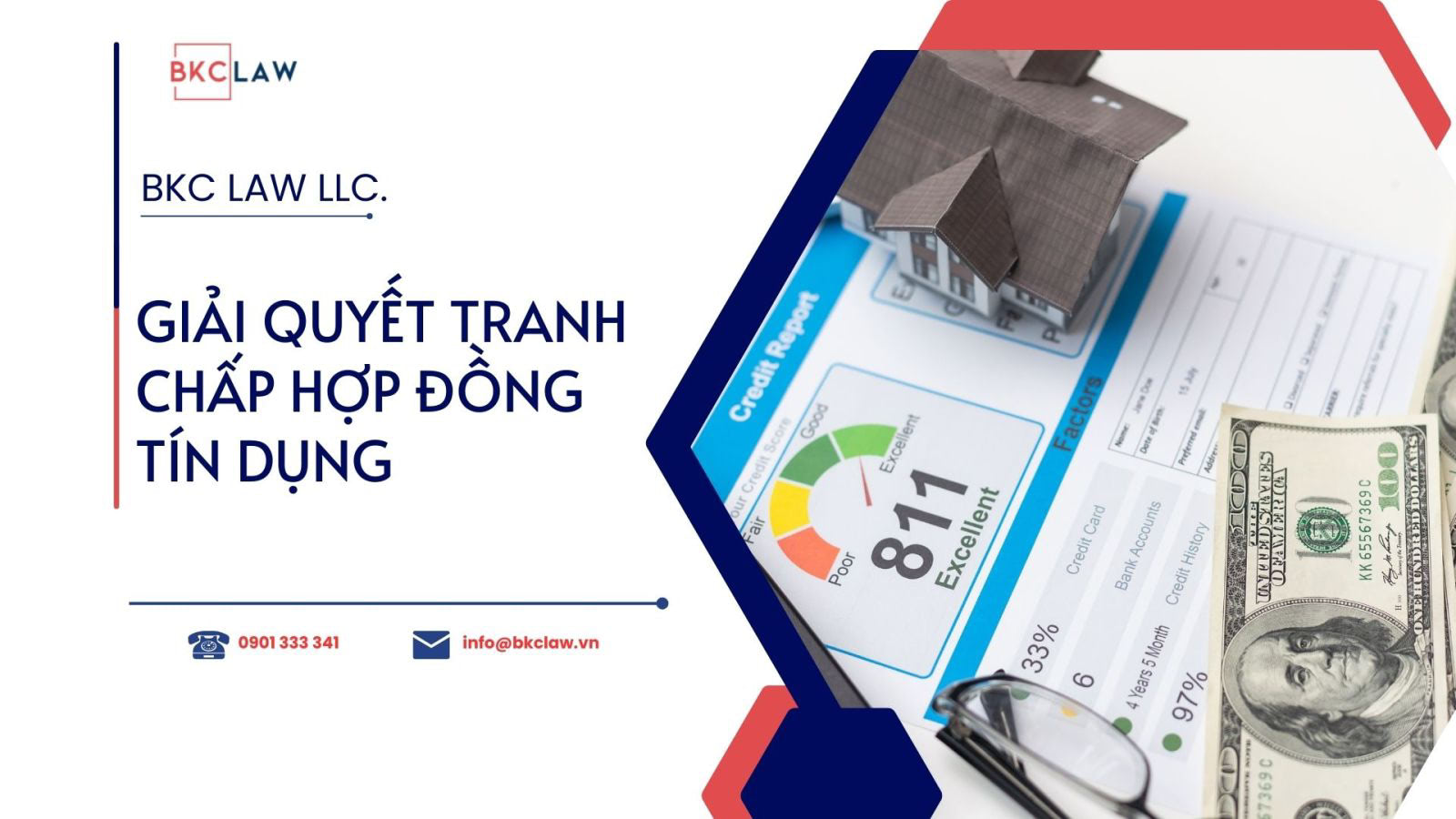
In civil transactions, disputes over loan of property are inevitable, particularly when the parties fail to comply with or fully perform the agreed commitments. Such disputes often arise from various causes, including failure to repay on time, incomplete repayment of the borrowed amount, or conflicts regarding contractual terms. Resolving these disputes requires not only a deep understanding of the law but also flexibility, negotiation skills, and the pursuit of harmonious solutions between the parties. This article provides an in-depth analysis of common methods for resolving property loan disputes while offering fundamental knowledge to assist the parties in protecting their legitimate rights and interests.
Legal Provisions on Property Loan Contracts
A property loan contract is an agreement whereby the lender delivers property to the borrower; upon maturity, the borrower must return property of the same type, quantity, and quality, and is only required to pay interest if so agreed or if required by law (Article 463 of the Civil Code 2015).
Classification: Loan contracts include fixed-term loans, open-term loans, interest-bearing loans, and non-interest-bearing loans.
Interest rate: The interest rate in a loan contract is agreed upon by the parties but must not exceed 20% per year of the loaned amount, except where other laws provide otherwise. If the agreed interest rate exceeds this limit, the excess portion shall have no effect (Clause 1, Article 468 of the Civil Code 2015). In the case of a non-interest loan where the borrower fails to repay or repays incompletely upon maturity, the lender is entitled to claim interest at the rate of 10% per year on the overdue amount for the period of delay, unless otherwise agreed or provided by law. In the case of an interest-bearing loan where the borrower fails to repay or repays incompletely upon maturity, the borrower must pay interest during the term, overdue interest on the term interest, and interest on the principal overdue amount.
Related articles:
Resolution of Inheritance Disputes in Ho Chi Minh City
Costs of Engaging Lawyers for Civil Cases in Ho Chi Minh City
Rights and Obligations of the Parties in the Contract
Rights and Obligations of the Lender
Pursuant to Article 465 of the Civil Code:
- Deliver the property to the borrower in full, with the agreed quality and quantity, at the agreed time and place.
- Compensate the borrower for any damage if the lender knew the property was defective in quality but failed to inform the borrower, except where the borrower knew and still accepted the property.
- Not demand early return of the property by the borrower, except where otherwise provided by law.
- Where the parties have agreed on the purpose of use of the loaned property, if the borrower uses it for a different purpose, the lender has the right to demand return of the property.
Rights and Obligations of the Borrower
Pursuant to Article 466 of the Civil Code 2015:
- Where the loaned property is money, the borrower must repay the full amount upon maturity; where the property is an object, the borrower must return an object of the same type, quantity, and quality, unless otherwise agreed.
- If the borrower is unable to return the object, they may repay in money equivalent to the value of the loaned object at the place and time of repayment, subject to the lender’s consent.
- In the case of a non-interest loan where the borrower fails to repay or repays incompletely upon maturity, the lender may claim interest at the rate prescribed in Clause 2, Article 468 of the Code on the overdue amount for the period of delay, unless otherwise agreed or provided by law.
- In the case of an interest-bearing loan where the borrower fails to repay or repays incompletely upon maturity, the borrower must pay interest.
Common Disputes Arising from Property Loan Contracts

Common types of property loan contract disputes include:
– Disputes concerning the parties entering into the loan contract;
– Disputes due to the absence of a delivery and receipt document for the loaned money;
– Disputes arising from the borrower’s delay in repayment;
– Disputes regarding the loan interest rate;
– Disputes related to security assets for the loan;
– Disputes arising from the sham nature of the loan contract.
Related articles:
Top-Rated Legal Consulting Services in Binh Tan District by Reputable Lawyers
Latest Updated Costs for Engaging Lawyers to File Lawsuits in Ho Chi Minh City
Procedures and Process for Resolving Property Loan Contract Disputes
Jurisdiction
When a property loan contract dispute arises, the parties should first attempt to negotiate and resolve the matter amicably on the basis of mutual respect, aiming for the most beneficial outcome for both sides.
If the parties cannot reach agreement, they may request the Court to resolve the dispute.
Since a property loan contract is a civil contract, pursuant to Clause 3, Article 26, Point a, Clause 1, Article 35, and Clause 1, Article 39 of the Civil Procedure Code 2015, jurisdiction lies with the district-level People’s Court at the place of residence of the defendant to resolve the dispute at first instance. However, if the loan contract involves foreign elements, jurisdiction belongs to the provincial-level People’s Court. Nevertheless, the parties retain the right to agree in writing that the People’s Court at the plaintiff’s place of residence shall have jurisdiction.
Lawsuit Dossier
The plaintiff must prepare a dossier including documents and evidence as stipulated in Articles 189, 91, and 93 of the Civil Procedure Code 2015, specifically:
- Lawsuit petition: The petition must comply with the content requirements under Article 189 of the Civil Procedure Code 2015 (Form 23-DS as per Resolution 01/2017/NQ-HĐTP).
- Citizen identity card or household registration book of the plaintiff, business registration certificate/operation registration certificate (if the plaintiff or defendant is an enterprise).
- Documents related to the case, such as the contract or documents having equivalent legal value as a property loan transaction, evidence of performance of obligations by the borrower, proof of breach of principal and interest payment obligations within the term by the borrower, etc.
Procedure for Resolving Property Loan Contract Disputes
**Step 1:** The plaintiff prepares the dossier and submits the lawsuit petition along with available documents and evidence to the Court by one of the following methods: direct submission at the Court, submission via postal services, or online submission through the Court’s electronic information portal (if available).
**Step 2:** The Court accepts the case, reviews necessary documents and evidence, and notifies the parties to pay the court fee advance. The plaintiff must pay the advance within 07 days from receipt of the notice and submit the payment receipt to the Court for formal acceptance of the civil case.
**Step 3:** Case preparation for trial, including taking statements from the parties, holding sessions to inspect submission, access, and disclosure of evidence and conduct mediation, conducting on-site inspection or valuation, and entrusting evidence collection (if necessary). The preparation period is 04 months from the date of case acceptance, extendable once for no more than 02 months in complex cases or cases with objective obstacles.
**Step 4:** Bringing the case to first-instance trial within 01 month from the date of the decision to bring the case to trial, extendable by no more than 30 days for justifiable reasons. If the first-instance judgment is appealed or protested, the superior Court shall resolve the matter.
Statute of Limitations for Initiating Property Loan Contract Disputes
The statute of limitations is the period within which a party may request the Court to resolve a civil case in order to protect infringed legitimate rights and interests.
This period generally commences from the date the entitled party knew or should have known of the infringement and is typically 03 years.
Support Services for Consultation and Resolution of Property Loan Disputes at BKC Law
BKC Law provides in-depth legal consultation and representation services in resolving property loan disputes, ensuring maximum protection of clients’ rights and interests. With a team of experienced lawyers, we assist clients from contract analysis and breach identification to negotiation, mediation, or litigation before the courts. We are committed to delivering prompt, effective, and law-compliant solutions, thereby minimizing legal risks and comprehensively safeguarding clients’ legitimate rights.
To receive free legal consultation at BKC Law, please contact our lawyers using the following information:
Telephone: 0901 3333 41
Email: info@bkclaw.vn
Branch in District 1: 9th Floor, Diamond Plaza Building, 34 Le Duan Street, District 1, Ho Chi Minh City
Branch in Binh Tan: 41 Ten Lua Street, Binh Tan District, Ho Chi Minh City
Related articles:
Law Firm in Binh Tan District
5 Key Considerations Before Filing a Land Dispute Lawsuit
Resolution of Deposit Contract Disputes
Không có tag nào


.svg)
.svg)