A sub-license is an important legal requirement for businesses operating in conditional business sectors in Vietnam. In addition to obtaining an Enterprise Registration Certificate, companies may need to apply for specific permits issued by competent authorities in order to legally conduct certain business activities. Understanding the concept of a sub-license, as well as the required documents and application procedures, is essential for ensuring legal compliance and avoiding potential administrative penalties.
This article provides a clear overview of what a sub-license is, when it is required, and the detailed documents and procedures for obtaining a sub-license in Vietnam in 2025.

What Is a Sub-License?
A sub-license is a commonly used term referring to licenses, certificates, permits, or written approvals issued by competent state authorities that allow individuals or organizations to operate in conditional business sectors.
Under the Investment Law 2020 (effective from January 1, 2021), the list of conditional business sectors is provided in Appendix IV. If a company operates in these sectors, in addition to the Enterprise Registration Certificate (ERC), it must obtain additional sub-licenses to legally conduct business.
Characteristics of Sub-Licenses
A sub-license has several important characteristics.
It is an official document issued by a competent state authority. Depending on the specific industry, the licensing authority may vary. This type of license is generally granted only after the enterprise has obtained its Enterprise Registration Certificate.
It is a mandatory requirement for enterprises operating in conditional business sectors.
Each industry has its own specific standards and requirements that must be satisfied before a sub-license can be granted.
Most sub-licenses have a fixed validity period, and enterprises must carry out procedures for renewal or re-issuance in order to continue operating legally.
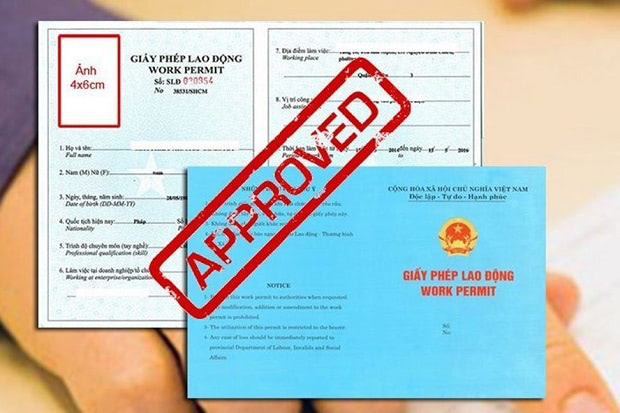
Sub-licenses may take various forms such as licenses, certificates, professional practice certificates, or written confirmations and approvals issued by regulatory authorities.
Important Notes
Conditional business sectors are industries that may directly affect national defense and security, public order and safety, social ethics, or public health. For this reason, the law requires enterprises to satisfy certain conditions before being permitted to operate.
Businesses can refer to the detailed list of conditional investment and business sectors in Appendix IV of the Investment Law 2020.
When Is a Sub-License Required?
Obtaining a sub-license is mandatory when a company conducts business activities in conditional sectors regulated by law. Some common sectors that require sub-licenses include:
Food and healthcare sectors, such as the Certificate of Food Safety Eligibility or medical practice licenses.
Education and real estate brokerage activities.
Financial and insurance sectors, including operational licenses for securities companies and insurance companies.
Education and training, such as licenses for educational operations or foreign language centers.
Construction and real estate sectors, including construction capability certificates and related operational permits.
Information technology sectors, such as licenses for establishing social networks or providing telecommunications services.
Other specific sectors, including transportation business licenses, security and order certificates, and fire prevention and fighting permits.
Related Articles
What is an FDI Enterprise? Detailed Process for Establishing an FDI Company in Vietnam (2025)
Sub-license Application for Chinese-Invested Companies in Vietnam
Documents Required for a Sub-License Application
Each conditional business sector has its own documentation requirements. However, in general, a sub-license application dossier usually includes the following documents.
Basic Legal Documents
A notarized copy of the Enterprise Registration Certificate.
A notarized copy of the identification documents of the legal representative (ID card, citizen identity card, or passport).
Lease agreement for the business premises, if required.
Floor plan or documents proving that the business premises satisfy regulatory requirements.
Professional Documents Depending on the Industry
Depending on the business sector, the licensing authority may request additional professional documents.
Personnel documents such as professional practice certificates, degrees, or qualifications of the manager or key personnel.
Documents related to facilities and technical conditions such as fire prevention and fighting certificates, occupational safety compliance, and environmental hygiene approvals.
Financial documents such as confirmation of charter capital or statutory capital, if applicable.
Compliance commitments such as commitments regarding food safety or environmental protection.
Procedures for Obtaining a Sub-License in 2025
Although procedures vary depending on the specific industry, the general process typically includes the following steps.
Step 1: Preparing the Application Dossier
The enterprise prepares the required documents according to the checklist for the specific license. Relevant regulations may be found in applicable decrees and circulars governing each sector.
Step 2: Submitting the Application
The enterprise submits the dossier to the competent authority such as a ministry, department, or specialized agency (for example: Department of Health, Department of Construction, or the Food Safety Authority).
Applications may be submitted directly, via postal service, or through the online public service portal if available.
Step 3: Review by the Competent Authority
The receiving authority will review the validity of the application.
If the dossier is incomplete or inaccurate, the enterprise may be requested to supplement or amend the documents.
For certain sectors, authorities may conduct an on-site inspection of the business premises.
Step 4: Receiving the Sub-License
If the dossier is valid and all required conditions are satisfied, the enterprise will be granted the sub-license.
If the application is rejected, the authority will provide written reasons for the refusal.
Step 5: Post-Licensing Compliance and Disclosure
Some licenses require the enterprise to publicly disclose information after being granted the license.
Enterprises must also comply with renewal procedures or apply for re-issuance when the license expires.
Important Considerations When Applying for a Sub-License
When applying for a sub-license, enterprises should take into account several important factors to ensure a smooth process and full legal compliance.
Enterprises must clearly understand the legal requirements and regulations related to each type of sub-license. These regulations may be found in the Investment Law, Enterprise Law, as well as relevant decrees and circulars issued by specialized ministries.
Preparing a complete and accurate application dossier is essential. Sub-license applications often require numerous legal documents such as the enterprise registration certificate, labor contracts, financial reports, and documents proving that the enterprise meets specific operational conditions.
Enterprises must ensure compliance with industry-specific conditions, which may include requirements related to facilities, management systems, occupational safety, environmental standards, or product quality.
The processing time for sub-license applications may range from several weeks to several months. Therefore, enterprises should monitor the progress of their application and prepare contingency plans in case delays occur.
After obtaining a sub-license, enterprises must comply with reporting obligations and inspections conducted by competent authorities. Failure to comply with these obligations may result in administrative penalties or revocation of the license.
BKC Law’s Process for Providing Sub-License Application Services
BKC Law provides professional legal services to assist enterprises in obtaining the necessary sub-licenses to legally operate in regulated sectors. Our service process is designed to be systematic, efficient, and fully compliant with current legal requirements.
Initial Legal Consultation
BKC Law begins the service process by providing free consultation to clients regarding the sub-licenses required for their business activities. This consultation helps clients understand the procedures, conditions, and estimated costs involved.
Drafting and Preparing the Application Dossier
Based on the collected information, BKC Law’s legal team will prepare and draft the sub-license application dossier. The dossier will include all necessary legal documents such as the enterprise registration certificate, contracts, meeting minutes, and other documents depending on the type of license required.
Submission and Monitoring of the Application
After completing the dossier, BKC Law will represent the client in submitting the application to the competent state authority. We will closely monitor the review process and handle any requests for additional documents or clarifications from the authorities.
Receiving Results and Delivering the License
Once the sub-license is granted, BKC Law will notify the client and deliver the license and related documents. We ensure that clients receive the license in a timely and legally valid manner.
Post-Licensing Support
After the license is issued, BKC Law continues to support clients with related administrative procedures such as license renewal, amendments to license information, and compliance with legal obligations throughout the company’s operation. We are committed to accompanying our clients in maintaining full legal compliance.
Contact Us
For free legal consultation at BKC Law, please contact our lawyers via the following information:
Phone: 0901 3333 41
Email: info@bkclaw.vn
District 1 Office:
9th Floor, Diamond Plaza Building
34 Le Duan Street, Sai Gon Ward, Ho Chi Minh City, Vietnam
Binh Tan Office:
41 Ten Lua Street, An Lac Ward, Ho Chi Minh City, Vietnam
Không có tag nào


.svg)
.svg)