As Vietnam continues to emerge as an attractive destination for foreign investors, FDI enterprises (Foreign Direct Investment enterprises) play a crucial role in the country’s economic development. Establishing an FDI company in Vietnam offers numerous opportunities such as market expansion, tax incentives, and competitive advantages. However, it also involves legal complexities and administrative procedures that investors must carefully comply with.
So, what is an FDI enterprise and what are the procedures for establishing a foreign-invested company in Vietnam in 2025? BKC Law provides the following detailed guide to help investors understand the legal framework and ensure the investment process is smooth and compliant with Vietnamese regulations.
What is an FDI Enterprise?
FDI (Foreign Direct Investment) refers to a form of investment in which foreign individuals or organizations invest directly in Vietnam by contributing capital, purchasing shares, establishing companies, or expanding business operations.
An FDI enterprise is a company established under Vietnamese law that includes the participation of foreign investors in its capital structure. Depending on the ownership ratio of foreign investors, FDI enterprises can take several forms such as a 100% foreign-owned enterprise, a joint venture between foreign investors and Vietnamese partners, or a branch or representative office of a foreign company operating in Vietnam.
Characteristics of FDI Enterprises
FDI enterprises are characterized by the participation of foreign investors in the management, operation, and financial activities of the company. These enterprises operate under the legal framework of Vietnam, including the Law on Investment and the Law on Enterprises, as well as international trade agreements to which Vietnam is a party. Certain sectors may benefit from tax incentives, land-use incentives, or investment support policies, while other sectors may be restricted or require additional licensing conditions. In practice, FDI enterprises may be established in various legal forms such as limited liability companies, joint stock companies, representative offices, or branches of foreign companies.
Detailed Process for Establishing an FDI Enterprise in Vietnam (2025)
The process of establishing a foreign-invested enterprise in Vietnam generally involves several legal and administrative procedures that must be completed in sequence.
The first stage is preparing the necessary documents and determining the appropriate business structure. Foreign investors need to clearly identify their intended business lines and verify whether those activities fall under restricted or conditional sectors for foreign investment. Investors must also determine the foreign ownership ratio and choose the appropriate enterprise structure, such as a single-member limited liability company with 100% foreign capital, a multi-member limited liability company, a joint stock company, or alternatively a branch or representative office of a foreign company. The preparation of documentation normally includes the passport or business registration certificate of the foreign investor, an investment project proposal, an office lease agreement, and financial statements or other documents demonstrating the investor’s financial capacity.
The second stage is applying for the Investment Registration Certificate (IRC). The investor must submit an application dossier to the Department of Planning and Investment in the province or city where the enterprise will be headquartered. The licensing authority will review the investment project to ensure compliance with Vietnamese regulations and investment policies. The processing time typically ranges from fifteen to thirty working days. Once the Investment Registration Certificate is granted, the investor is permitted to proceed with the next stage of enterprise registration.
The third stage involves registering the enterprise and obtaining the Enterprise Registration Certificate (ERC). The application dossier normally includes an application form for enterprise registration, the company charter, a list of members or founding shareholders, and certified copies of identification documents or business registration certificates of the investors. After the Enterprise Registration Certificate is issued, the FDI enterprise is legally recognized and officially established under Vietnamese law.
The fourth stage is completing corporate formalities such as company seal engraving and public disclosure of enterprise information. The enterprise must engrave its corporate seal and register the seal sample on the National Business Registration Portal. Additionally, the enterprise is required to publicly disclose its registration information on the national portal within thirty days from the date of issuance of the Enterprise Registration Certificate.
The fifth stage is opening a direct investment capital account and completing capital contribution procedures. Foreign investors are required to open a Direct Investment Capital Account at a licensed commercial bank in Vietnam to transfer investment capital into the country. Capital contribution must be completed within the statutory time limit, which is generally ninety days from the date of enterprise establishment unless otherwise specified in the investment project.
The sixth stage involves obtaining additional sub-licenses if the enterprise operates in conditional business sectors. Certain industries such as education, finance, real estate, logistics, or e-commerce require specific permits before the enterprise is allowed to conduct business activities.
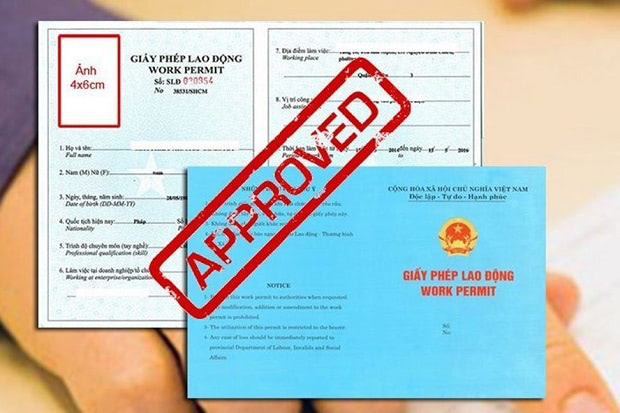
The final stage consists of completing tax registration and labor-related procedures. The enterprise must register for a corporate tax code, set up electronic invoice systems, establish tax declaration accounts, and register social insurance for employees where applicable. These procedures ensure that the enterprise is fully compliant with Vietnam’s tax and labor regulations before commencing operations.
Potential Risks When Establishing an FDI Enterprise in Vietnam
Despite the significant investment opportunities available in Vietnam, foreign investors may encounter several legal and operational risks during the establishment and operation of an FDI enterprise.
One common risk involves legal and administrative procedures. Applications may be rejected if the proposed business sector does not meet legal conditions or if the investor cannot sufficiently demonstrate financial capacity. Additionally, licensing procedures may take longer than expected due to regulatory changes or strict evaluation by competent authorities.
Another risk relates to restrictions on foreign investment in certain business sectors. Industries such as real estate, finance, telecommunications, logistics, and advertising may impose limitations on foreign ownership or require additional licensing conditions.
Tax and financial obligations may also present challenges. Corporate income tax policies can change depending on government policies, and enterprises must comply with various financial obligations such as social insurance contributions and employee benefits, which may increase operating costs.
Operational challenges are also common for foreign-invested enterprises. Recruiting qualified personnel and adapting to the local business environment can be difficult. Differences in business culture between foreign investors and Vietnamese employees may also affect management efficiency and internal coordination.
Tax Incentives for Foreign Investors Establishing FDI Companies in Vietnam
Vietnam provides a wide range of tax incentives to attract foreign investment and promote economic development. These incentives are designed to reduce operational costs and enhance the competitiveness of foreign-invested enterprises.
One of the most significant incentives relates to corporate income tax. While the standard corporate income tax rate in Vietnam is twenty percent, certain investment projects may qualify for preferential rates of ten percent or seventeen percent depending on the industry and investment location. Projects in high-tech industries, research and development, environmental protection, education, healthcare, and projects located in areas with extremely difficult socio-economic conditions may benefit from a ten percent tax rate for a period of fifteen years. Projects located in economically disadvantaged areas or those involving critical infrastructure development may be eligible for a seventeen percent tax rate for ten years.
In addition to preferential tax rates, many investment projects are entitled to corporate income tax exemptions and reductions. Enterprises may receive a full tax exemption for the first four years after generating taxable income and a fifty percent reduction in tax liability for the following nine years depending on the sector and location of the investment project.
Import tax incentives are also available. Foreign-invested enterprises may be exempt from import duties on machinery, equipment, and specialized transport vehicles used for production activities. Raw materials and components imported for export production may also be exempt from import duties. Projects located in preferential sectors or geographical areas may benefit from import tax exemptions for several years from the commencement of operations.
Value added tax incentives further support FDI enterprises. Exported goods and services are subject to a zero percent VAT rate. Certain sectors such as healthcare and education benefit from a reduced VAT rate of five percent instead of the standard ten percent. Enterprises operating in export processing zones may not be required to pay VAT on goods purchased domestically for export production. In addition, enterprises may apply for VAT refunds when the accumulated input VAT exceeds three hundred million Vietnamese dong or when a new investment project imports goods before commencing operations.
Foreign experts working in certain FDI projects may also benefit from personal income tax incentives. Specialists working in high-tech, scientific research, or educational projects may receive preferential tax treatment under applicable regulations.
BKC Law – FDI Company Formation Services in Vietnam
BKC Law provides comprehensive legal services to support foreign investors in establishing and operating FDI enterprises in Vietnam. Our services cover the entire investment process from initial consultation to long-term legal support.
Before the establishment of the enterprise, BKC Law advises investors on applicable investment conditions, analyzes business sectors and foreign ownership restrictions, and evaluates the feasibility of obtaining an investment license. We also provide strategic advice on the most suitable company structure and available tax incentives.
During the investment registration stage, our legal team prepares complete application dossiers for the Investment Registration Certificate and represents clients in working with licensing authorities. We also assist investors in demonstrating financial capacity and addressing issues that may arise during the licensing process.
For enterprise registration, BKC Law drafts the necessary corporate documents in compliance with the Law on Enterprises 2020 and handles the application for the Enterprise Registration Certificate. We also assist with corporate seal registration and the publication of enterprise information on the national registration system.
After the enterprise is established, we support investors in opening direct investment capital accounts, transferring investment funds in compliance with regulations of the State Bank of Vietnam, and ensuring that capital contribution requirements are fulfilled within the statutory timeframe.
Our services also include assistance with obtaining conditional business licenses, registering electronic invoices, completing tax procedures, and registering social insurance for employees. In addition, BKC Law provides guidance on labor contracts, internal corporate regulations, and human resource policies.
For long-term operations, we offer ongoing legal consultancy services, including drafting commercial contracts, reviewing employment agreements, resolving disputes, and advising on regulatory updates. We also support corporate restructuring activities such as capital transfers, mergers, and amendments to investment licenses.
BKC Law is committed to providing professional and reliable legal services to foreign investors. Our team of experienced lawyers ensures that all procedures are handled accurately and efficiently while maintaining strict confidentiality and protecting the interests of our clients.
Free consultation is available for investors who wish to establish an FDI enterprise in Vietnam.
Hotline: 0901 3333 41
Email: info@bkclaw.vn
District 1 Office: 9th Floor, Diamond Plaza Building, 34 Le Duan Street, Sai Gon Ward, Ho Chi Minh City
Binh Tan Office: 41 Ten Lua Street, An Lac Ward, Ho Chi Minh City
Related Articles:
Service for Obtaining an Investment Registration Certificate within 30 Days
conditions-for-establishing-a-foreign-invested-company
Không có tag nào


.svg)
.svg)