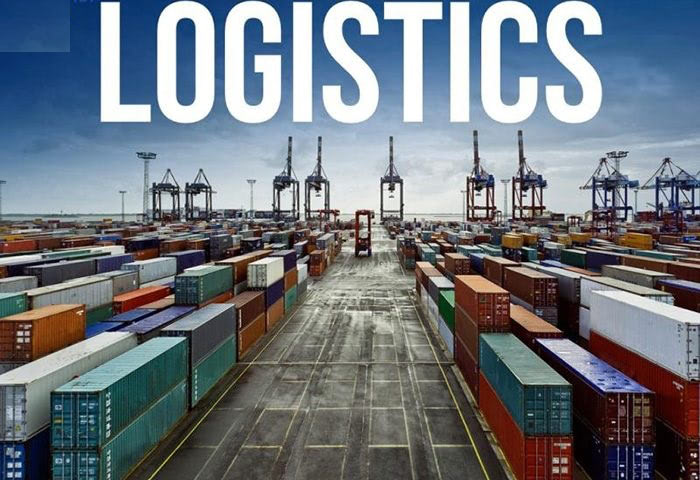
Disputes in goods sale and purchase contracts arise when there is disagreement between the buyer and the seller regarding the performance of contractual terms, such as product quality, delivery time, price, or payment conditions. These disputes may occur due to misunderstandings, breaches of contract, or external factors such as changes in market conditions. When disputes arise, the parties often seek solutions through negotiation, mediation, or litigation in order to protect their rights and interests. To better understand this issue, the following analysis provides legal insights and practical solutions for resolving disputes in goods sale and purchase contracts.
Characteristics of Goods Sale and Purchase Contracts
Goods sale and purchase contracts have several basic characteristics as follows:
-
The parties involved in a goods sale and purchase contract are usually traders. This is a common requirement because commercial transactions are typically conducted by business entities, especially the seller.
-
The subject matter of the contract is goods, which may include various types of property, future assets, and objects attached to land as regulated under the Commercial Law 2005.
-
The primary objective of the parties entering into a goods sale and purchase contract is to generate profit.
-
Goods sale and purchase contracts may be established in different forms, including oral agreements, written contracts, or specific legal acts that demonstrate the parties’ agreement.
Methods for Resolving Goods Sale and Purchase Contract Disputes
According to Article 317 of the Commercial Law 2005, commercial disputes may be resolved through the following methods:
-
Negotiation between the parties
-
Mediation conducted by an agreed mediator, organization, or individual
-
Resolution by Arbitration or by Court
Procedures for resolving commercial disputes through arbitration or court proceedings must comply with the procedural regulations prescribed by law.
Accordingly, there are four main methods for resolving disputes related to goods sale and purchase contracts.
Resolution Through Negotiation
Negotiation is a dispute resolution method in which the parties voluntarily discuss and reach an agreement to resolve their disagreements without the intervention or decision of a third party.
In this process, the resolution is not bound by strict legal procedures. The outcome depends entirely on the mutual agreement and willingness of the parties involved.
Resolution Through Mediation
According to Clause 1 Article 3 of Decree 22/2017/ND-CP, commercial mediation is defined as:
“Commercial mediation is a method of resolving commercial disputes agreed upon by the parties and conducted by a commercial mediator acting as an intermediary to assist the parties in resolving the dispute in accordance with this Decree.”
In essence, mediation involves a neutral third party, which may be an organization or individual chosen by the parties to assist in resolving the dispute.
Mediation must comply with the principles provided in Article 4 of Decree 22/2017/ND-CP, including:
-
Participation in mediation must be voluntary and equal between the disputing parties.
-
Information related to the mediation process must be kept confidential, unless otherwise agreed in writing by the parties or required by law.
-
The mediation agreement must not violate legal prohibitions, social ethics, evade obligations, or infringe upon the rights of third parties.
Note: Mediation can only be applied when the parties agree to use mediation as a dispute resolution method. Such agreement may be made before the dispute arises, after the dispute arises, or at any stage of the dispute resolution process, according to Article 6 of Decree 22/2017/ND-CP.
Resolution Through Commercial Arbitration
To resolve disputes through commercial arbitration, the parties must satisfy the conditions provided in Article 5 of the Law on Commercial Arbitration 2010:
-
A dispute may be resolved by arbitration only if the parties have an arbitration agreement, which may be established before or after the dispute arises.
-
If one party to the arbitration agreement is an individual who dies or loses legal capacity, the arbitration agreement remains valid for the heirs or legal representatives of that individual, unless otherwise agreed.
-
If one party is an organization that ceases operations, becomes bankrupt, dissolves, merges, splits, or changes its organizational form, the arbitration agreement remains valid for the organization that inherits the rights and obligations of that entity, unless otherwise agreed.
In addition, arbitration proceedings must comply with the principles provided in Article 4 of the Law on Commercial Arbitration 2010, including:
-
Arbitrators must respect the agreement of the parties unless it violates legal prohibitions or social ethics.
-
Arbitrators must act independently, objectively, and impartially, and comply with legal regulations.
-
The disputing parties are equal in rights and obligations, and the arbitral tribunal must ensure they can exercise those rights.
-
Arbitration proceedings are conducted confidentially, unless the parties agree otherwise.
-
Arbitral awards are final and binding.
Resolution Through Court
The principles for resolving disputes through court proceedings are provided in Chapter II of the Civil Procedure Code 2015, including:
-
Compliance with civil procedure law
-
The right to request the court to protect lawful rights and interests
-
The right of parties to decide and determine their claims
-
Equality of rights and obligations in civil proceedings
-
Ensuring the right to legal protection of parties
-
Judges and People’s Jurors adjudicate cases independently and only comply with the law
-
Timely, fair, and public hearings
-
Ensuring objectivity and impartiality in proceedings
-
Guaranteeing first-instance and appellate trial procedures
-
Ensuring the enforceability of court judgments and decisions
-
Ensuring adversarial procedures in court hearings
BKC Law’s Services for Resolving Goods Sale and Purchase Contract Disputes
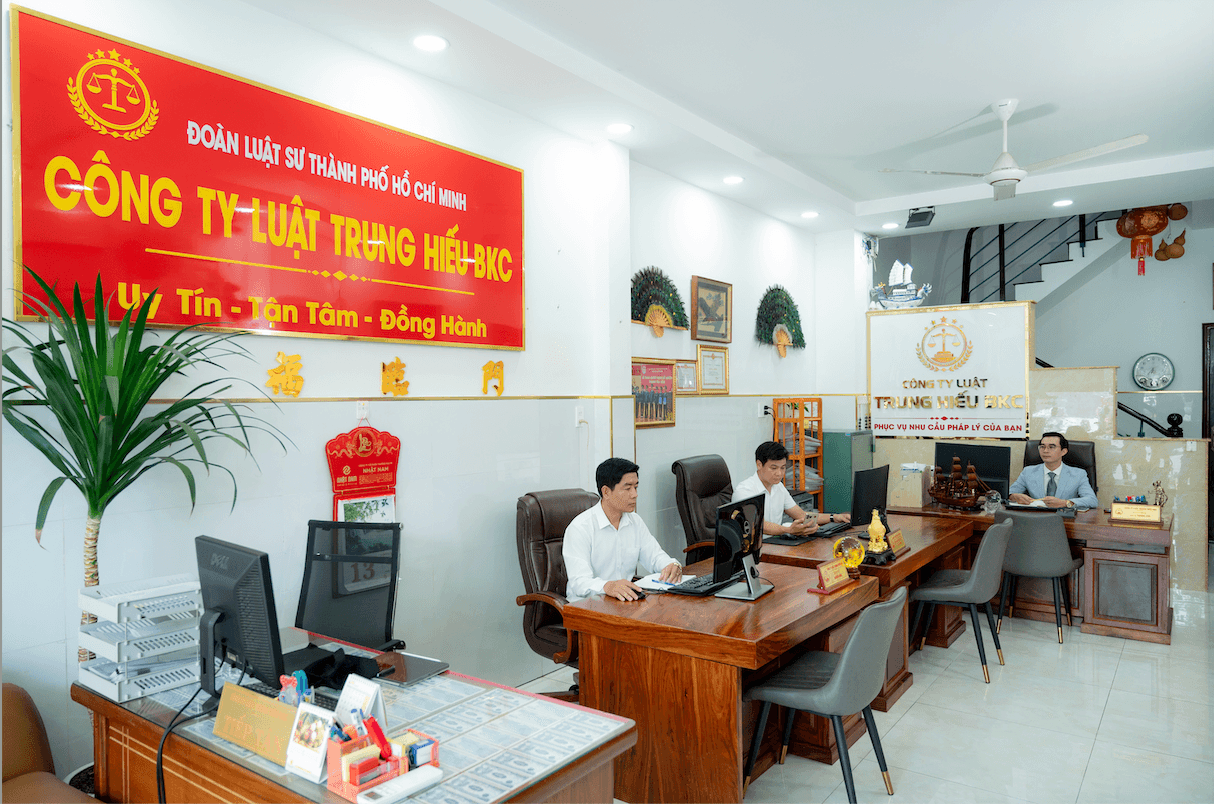
BKC Law provides comprehensive legal services to assist businesses and individuals in resolving disputes related to goods sale and purchase contracts.
With a team of experienced lawyers, BKC Law not only offers legal consultation and contract analysis but also represents clients in negotiations, mediation processes, arbitration, or court proceedings.
We are committed to protecting the legitimate rights and interests of our clients while helping resolve disputes quickly, efficiently, and cost-effectively, while also maintaining good business relationships between the contracting parties.
Contact Us
Phone: 0901 333 341
Email: info@bkclaw.vn
District 1 Office:
9th Floor, Diamond Plaza Building
34 Le Duan Street, Sai Gon Ward
Ho Chi Minh City
Binh Tan Office:
41 Ten Lua Street
An Lac Ward
Ho Chi Minh City
Related Articles
Resolving Apartment Purchase and Sale Disputes in Binh Tan District.
Land Law Consulting Law Office – Providing Online and In-Person Legal Services in Ho Chi Minh City.
Không có tag nào


.svg)
.svg)